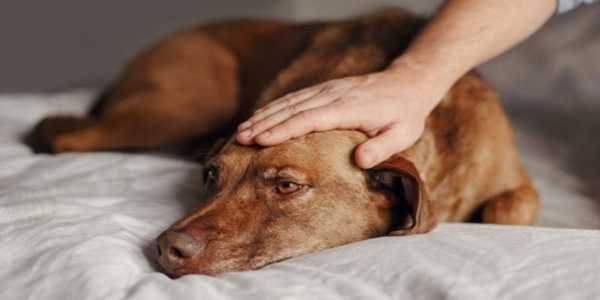
16 Proven Tips for Keeping Your Pet Happy and Healthy
As a pet owner, you realize how great a delight and companion your furry animal can be. Keeping your pet healthy and happy is key, though sometimes it feels insurmountable. There is so much to learn; knowing who to listen to is hard. Bearing that in mind, we have put together these key tips to help you keep your dear pet in the best state possible. From nutritional facts and workouts to preventative care and mental stimulation, the following methods will show you how to give your four-legged friend the best care.
Importance of Proper Nutrition for Pets
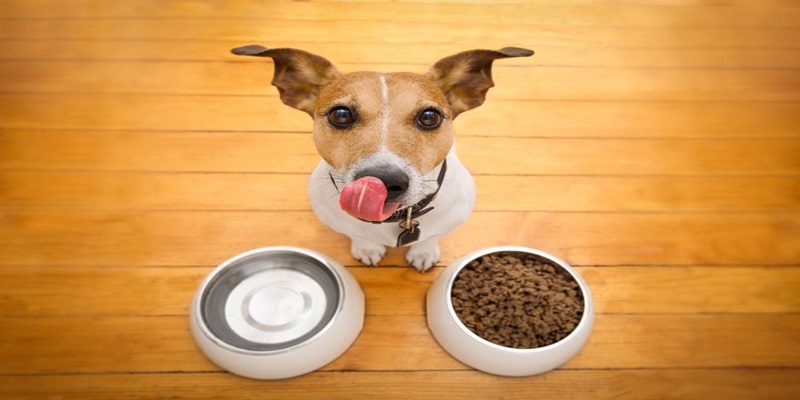
Wholesome Food for a Healthy Life
Providing your pet with a balanced diet is crucial for their overall well-being. A nutritious diet supports your furry friend's immune system, maintains a healthy weight, and promotes longevity. Choose high-quality pet food that meets your pet's nutritional needs based on age, size, and activity level. Look for foods with real meat as the first ingredient, and avoid those with excessive fillers or artificial preservatives.
Portion Control and Feeding Routine
It is essential to keep their portions and frequency appropriate. Overfeeding will lead to obesity and predispose them to conditions like diabetes, arthrosis, and heart disease. Find out from your veterinarian how much they should eat and schedule regular feeding times.
Hydration and Fresh Water
Proper hydration is one of the pets' most overlooked needs yet very important. Always give your pet fresh, clean water and encourage drinking throughout the day. Water helps the kidneys function properly and regulates body temperature and digestion. Place a water fountain for your cat pets to induce them to drink more water. By nature, cats prefer running water sources.
Keeping Your Pet Active and Energized

Regular physical activities
Regular exercise is key to your pet's physical and mental health. For dogs, it can involve a daily walk or simply playing outside; interactive toys and the chance to climb will suffice for cats. Your objective should be to provide at least 30 minutes daily, changing the intensity based on breed. A disordered pet is most often a pleased and well-behaved pet.
Mental Exercise
Exercise is not enough: Food puzzle toys, training sessions, and new sights will give your pet a sound mind. Rotate toys regularly to prevent boredom, and even hide treats around the house for your pet to sniff out. Obedience training or agility courses will work dogs both mentally and physically.
Outdoor Adventure
Take your pet on as many outdoor adventures as possible. This might be going on a nature hike, taking a trip to the dog park, or even just a change of scenery in a new neighborhood. These offer a set of new scents, scenes, and sounds that will stimulate your pet's senses and innate abilities. Just be sure to keep safety in mind, using appropriate leashes, harnesses, or carriers as needed.
Grooming Your Pet for Healthy Skin and Coat
Regular Brushing: The Secret Behind the Shine
Regular brushing can keep your pet healthy-skinned and furry. In this way, loose hairs can be removed and natural oil distributed, hence increasing blood flow into the skin. On long-haired pets, this will avoid matting and tangling. If the pet has short hair, it is needed only once a week. Choose a brush that suits your pet's coat type for the best results.
Bathing: Secrets to Clean and Healthy Skin
While regular brushing is imperative, bathing can be done judiciously. Too much bathing removes natural oils from the animal's body, which causes itchiness and dryness of the skin. Most dogs require baths every few months, while cats manage themselves. When necessary, bathe with shampoos formulated for pets, which do not irritate their skin.
Nail care and paw health
Remember your pet's paws and nails. Regular nail trims prevent overgrowth, which can cause discomfort for your pet and change the way they walk. Trim their nails every few weeks or as needed. After walks, check your dog's paw pads for any cuts or foreign objects stuck in them. During winter, protect paws from salt and ice using balms or booties designed for pets. This adds to general pet comfort and mobility.
Dental Care for Exotic Pets: Prevention of Oral Disorders
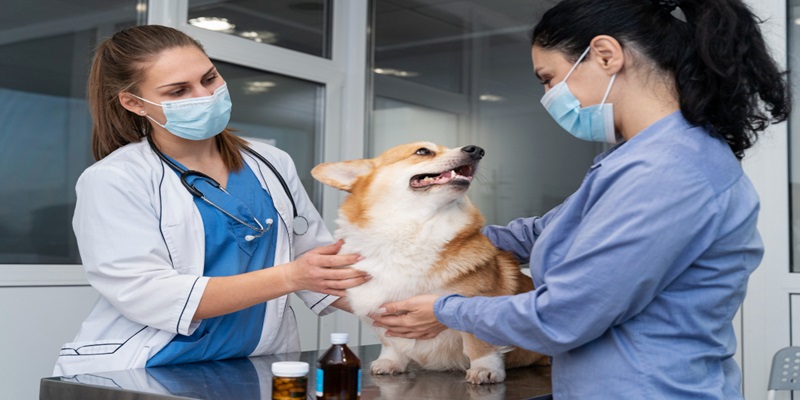
The importance of oral hygiene
Just like humans, pets require good dental hygiene to maintain their general health. Bad oral health causes gum diseases, which lead to tooth decay and even systemic conditions. Good dental health ensures a longer quality of life, and thus, by taking proper care of your pet's dentition, you are actually granting it a healthy smile.
Effective Dental Care Techniques
Brushing your pet's teeth is the gold standard for maintaining dental health. Use only a pet-specific toothbrush and toothpaste, as human products are dangerous. Aim for at least 2-3 times a week, if not daily. Dental chews and toys can help reduce plaque buildup for pets that are resistant to brushing.
Diet and Dental Health
A good diet is essential for your pet's oral health. Some foods are manufactured and designed to decrease tartar formation. Do not feed your pet table scraps and sweet treats, which can decay their teeth.
Creating an Enabling yet Safe Home Environment for Your Pet
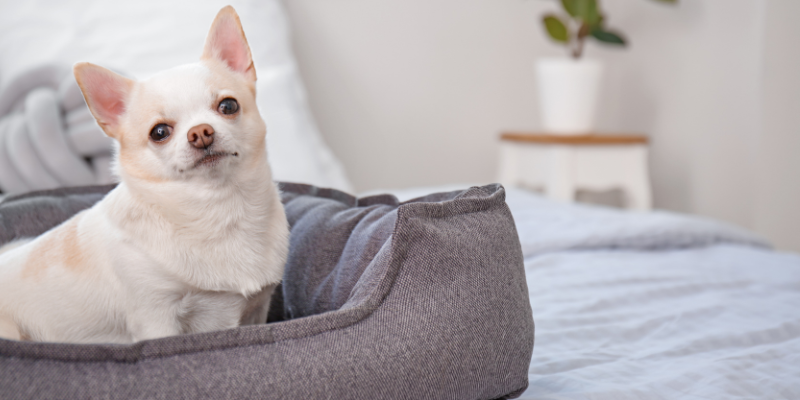
Pet-Proofing Your Space
Your home should be your pet's haven. First, remove all hazards: toxic plants, loose wiring, and objects that can be easily swallowed. Then, lock up the cabinet with cleaning supplies and medications. Childproof latches would probably be necessary to keep those curious paws in place.
Designating Comfortable Areas
Provide comfortable lying places for your pet. Give it a soft bed in a quiet, secluded nook without any draft or traffic around it. Cats like scratching posts and perches by the window to watch birds. Dogs need their "den," a crate, or an enclosed space to retreat into safety and security.
Keep Proper Temperature and Ventilation
Keep your house comfortable for your pet. Most animals have Comfort zones in spaces about 65 to 75°F or 18 to 24°C. Maintain good ventilation to avoid stuffy, stale environments that make allergens worse. If the outside weather is extreme, take extra precautions to keep your house cool during summer or warm during winter.
Creating a Schedule
Pets are all about routine; hence, establish a routine to feed, walk, or even play at certain hours of the day. This reduces anxiety and provides good behavior. Provide enough mental stimulation with toys, puzzles, and interactive games, which will keep your pet happy in his homely environment.
Prioritizing Your Pet's Health
This is important for your pet's survival. All these health tips will enable your furry companion to live a long and healthy life. Your pets need you for their survival and care. Similarly, routine checkups with the veterinarian, appropriate nutrition, regular exercise, and lots of love will help immensely. Keep an eye on unusual behaviors and changes in health and take immediate action whenever you sense something wrong. This investment can live longer as a friendly pet if attention and proper care are bestowed on it.
Recent Articles

10 Fun Games To Play With Your Puppy
11 Amazing DIY Pet Toys You Can Easily Make
Can Dogs Eat Watermelon? Safe Summer Treats For Pups
10 Best Toys For Keeping Your Indoor Cat Entertained

16 Proven Tips for Keeping Your Pet Happy and Healthy